What Is a Rotator Cuff Injury?
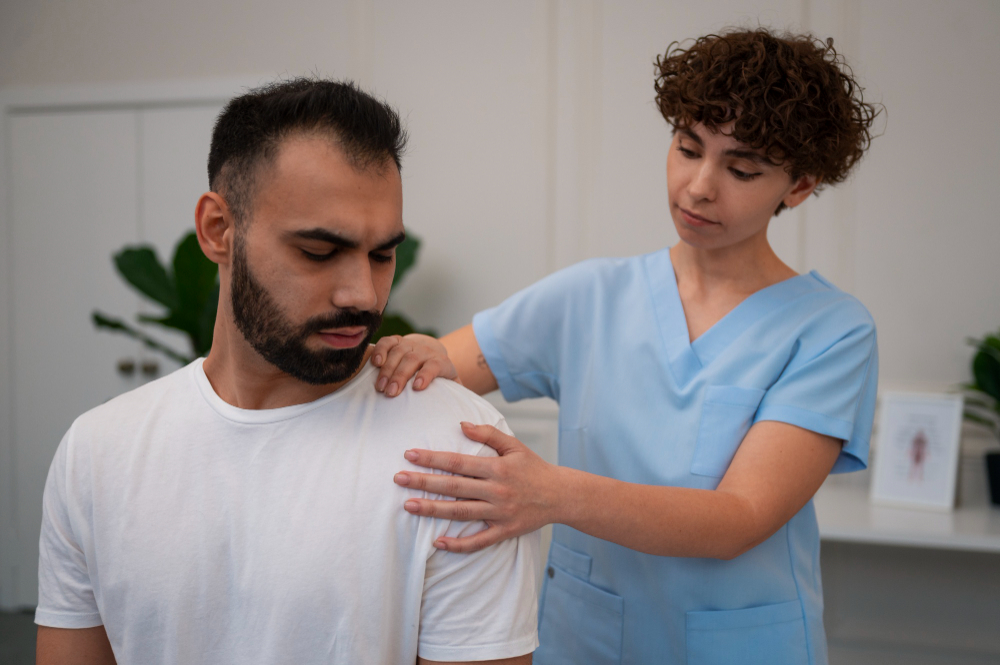
The rotator cuff is a group of muscles and tendons in your shoulder. These help you lift and move your arm. When you have a rotator cuff injury, these muscles or tendons get torn or strained. Rotator cuff injury rehabilitation focuses on helping you heal and regain strength. Many people experience this type of shoulder injury, especially as they age or after an accident.
Common Symptoms
Recognizing symptoms early can help you start treatment sooner. For example, you may notice pain or weakness in your shoulder. Other common signs include:
Sometimes, symptoms may get worse at night or after activity. If you notice these signs, it is important to seek help.
Causes and Risk Factors
Rotator cuff injuries can happen for many reasons. Often, they result from repeated use of the shoulder. However, sudden injuries can also cause damage. Common causes and risk factors include:
As you get older, your risk increases. In fact, the CDC notes that shoulder injuries are more common in people over 40.
How Rotator Cuff Injuries Are Diagnosed
Doctors use several methods to diagnose a rotator cuff injury. First, they will ask about your symptoms and medical history. Next, they may perform a physical exam to check your shoulder’s strength and movement. Sometimes, imaging tests are needed. These may include:
Early diagnosis helps you start rotator cuff injury rehabilitation sooner, which can improve your recovery.
Rehabilitation and Treatment Options
There are many ways to treat a rotator cuff injury. Treatment depends on how severe the injury is. Most people start with non-surgical options. These include:
In some cases, doctors may suggest steroid injections to reduce pain. Surgery is usually a last resort if other treatments do not help. According to the American Academy of Orthopaedic Surgeons, most people improve with proper rehabilitation.
Home Exercises and Lifestyle Tips
Home exercises play a key role in rotator cuff injury rehabilitation. However, always check with your doctor before starting any exercise. Some helpful exercises include:
In addition, you can support recovery by:
With regular practice, these steps can help speed up shoulder injury recovery.
Prevention Strategies
Preventing rotator cuff injuries is possible with a few simple steps. For instance, you can:
Additionally, regular stretching can keep your shoulder flexible and strong.
When to See a Specialist
Sometimes, home care is not enough. If your pain lasts more than a few weeks, or if you cannot move your arm, see a specialist. Also, if you notice swelling, numbness, or sudden weakness, seek medical help right away. Early treatment can prevent further damage and improve your outcome.
In summary, rotator cuff injury rehabilitation is key to a full recovery. Consult a physiotherapist at Dr. Krishna’s Physiotherapy and Rehabilitation Center for personalized rotator cuff injury rehabilitation advice.