Introduction
Pelvic floor strengthening is important for everyone. The pelvic floor is a group of muscles at the bottom of your pelvis. These muscles support your bladder, bowel, and, in women, the uterus. Core stability means having strong muscles in your belly, back, and hips. Together, these muscles help you move, stand, and stay balanced. When you work on pelvic floor exercises and core stability for beginners, you can improve your health and feel better every day.
Symptoms of Weak Pelvic Floor or Core
Sometimes, weak pelvic floor or core muscles cause problems. For example, you may notice:
However, not everyone has all these symptoms. If you notice any, it is a good idea to talk to a doctor.
Causes
Many things can weaken your pelvic floor and core. For instance, pregnancy and childbirth often stretch these muscles. Aging can also make them weaker. In addition, being overweight or lifting heavy objects the wrong way can cause problems. Sometimes, surgery or long-term coughing can also lead to weakness. Even a lack of exercise may play a role.
Diagnosis
Doctors or physiotherapists can check your pelvic floor and core strength. Usually, they ask about your symptoms and health history. Sometimes, they do a physical exam. In some cases, they may use special tests or scans. Early diagnosis helps you get the right treatment and avoid more problems.
Evidence-based Treatment Options
There are many ways to treat weak pelvic floor or core muscles. According to the World Health Organization (WHO) and medical studies, exercise is the best first step. Pelvic floor strengthening and core stability exercises help most people. In some cases, a physiotherapist may teach you how to do these moves safely. Rarely, medicines or surgery are needed. However, most people improve with regular exercise and healthy habits.
Recommended Exercises
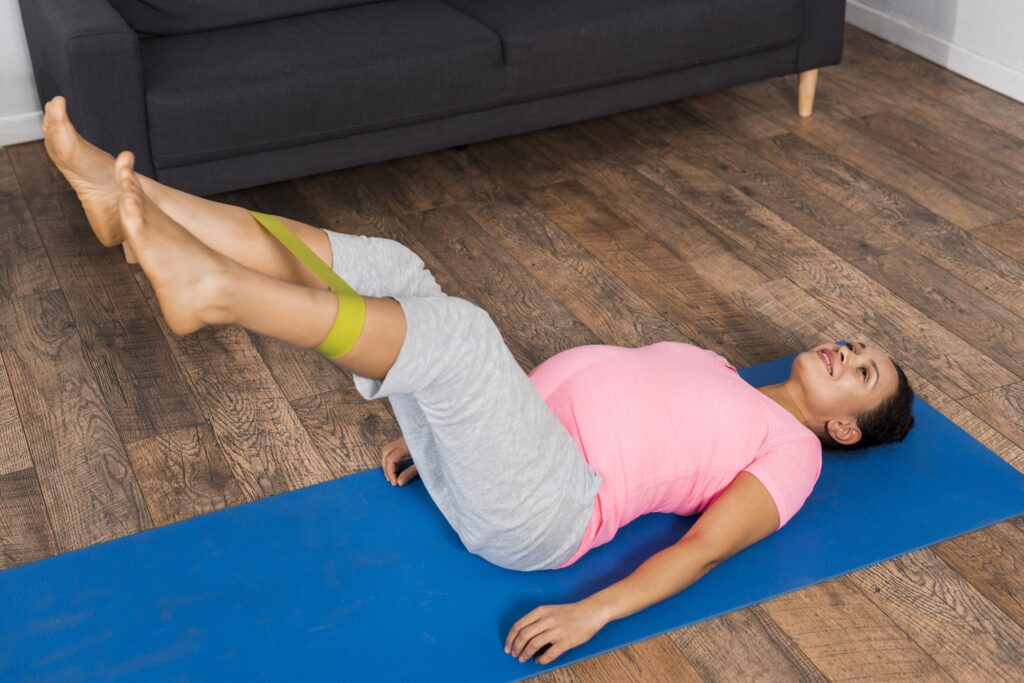
You can do many pelvic floor exercises and core stability moves at home. Here are some simple options:
Start slow. If you feel pain, stop and ask a professional for help.
Lifestyle Guidance
Besides exercise, daily habits matter. For example, try to:
These steps support your pelvic floor and core health.
Prevention Tips
It is easier to prevent weakness than to treat it. Here are some tips:
Even small changes can make a big difference over time.
Conclusion
In summary, pelvic floor strengthening and core stability provide multiple benefits, including preventing leaks, improving posture, and supporting everyday movement. You can begin with simple home exercises, but if you experience symptoms or have questions, consult DR.KRISHNA’S PHYSIOTHERAPY for personalized pelvic floor and core stability guidance.