Introduction
Neuro-rehab, or neurological rehabilitation, helps people recover after a stroke. It uses special therapies to support brain healing. Neuroplasticity is the brain’s ability to change and adapt. After a stroke, neuroplasticity helps the brain form new connections. Because of this, many people can relearn skills lost during a stroke. In this blog, we explain how neuro-rehab and neuroplasticity work together to support stroke recovery.
What Is Neuro-Rehab?
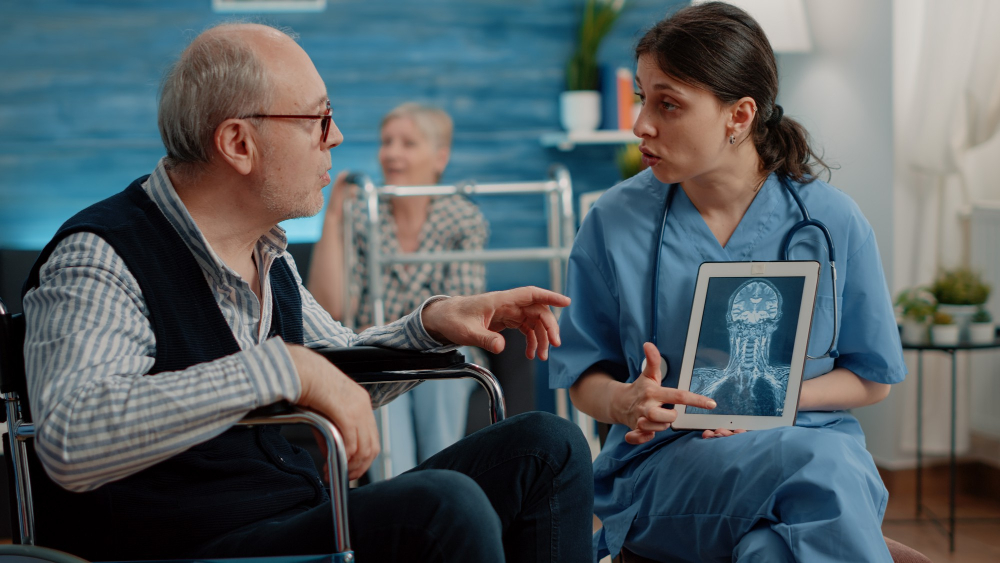
Neuro-rehab is a set of treatments that help people recover after brain injuries, such as a stroke. It includes physical, speech, and occupational therapies. These therapies aim to improve movement, speech, and daily living skills. For example, a person may practice walking or using their hand again. Often, neuro-rehab starts soon after a stroke. Early therapy can lead to better results. According to the World Health Organization (WHO), early rehab helps people regain independence faster.
Understanding Neuroplasticity
Neuroplasticity means the brain can change and adapt. After a stroke, some brain cells may be damaged. However, the brain can form new pathways to take over lost functions. For instance, if one area is hurt, another part may learn to control movement or speech. Because of neuroplasticity, stroke rehabilitation can help people recover skills. The Centers for Disease Control and Prevention (CDC) notes that regular practice is key for brain recovery after stroke.
How Neuroplasticity Supports Stroke Recovery
After a stroke, the brain tries to heal itself. Neuroplasticity allows healthy brain areas to take over lost functions. With repeated practice, new connections grow stronger. For example, practicing moving a weak arm helps the brain relearn that skill. Over time, these new pathways can improve movement and speech. In addition, neuroplasticity exercises, such as repeating tasks, help the brain adapt. Because of this, stroke recovery is possible even months after the event.
Common Neuro-Rehab Techniques for Stroke Patients
Many therapies use neuroplasticity to help stroke patients. Some common neuro-rehab techniques include:
Each technique uses repetition and practice to help the brain form new pathways. Because every stroke is different, therapy plans are tailored to each person.
Benefits and Limitations of Neuroplasticity in Recovery
Neuroplasticity offers many benefits for stroke recovery. For example, it helps people regain lost skills and become more independent. With regular neuroplasticity exercises, progress can continue for months or even years. However, there are some limits. Not all lost abilities may return. Recovery speed varies from person to person. In some cases, severe brain damage may slow progress. Still, most people see some improvement with stroke rehabilitation. According to research in medical journals, early and ongoing therapy gives the best results.
Tips for Maximizing Recovery at Home
Recovery does not stop at the clinic. There are many ways to support brain recovery after stroke at home:
Because regular practice helps the brain adapt, these stroke recovery tips can make a big difference.
When to Consult a Specialist
Sometimes, extra help is needed. You should consult a rehabilitation specialist if:
Specialists can adjust your therapy plan and suggest new neuroplasticity exercises. Early support can improve your chances of recovery.
Conclusion
Neuro-rehab and neuroplasticity play a key role in stroke recovery. With the right therapies and regular practice, many people regain lost skills. However, every recovery journey is unique. Consult Dr. Krishna’s Physiotherapy for expert, personalized stroke recovery guidance and effective rehabilitation.