
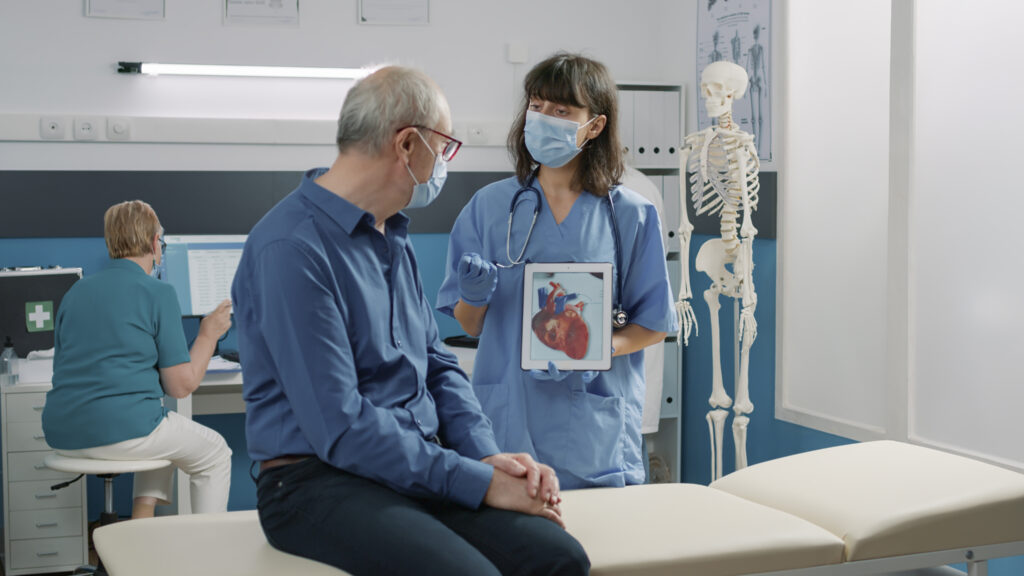
Introduction: Why Lung Health Matters
Good lung health is vital for daily life. Cardiopulmonary physiotherapy for lung health helps people breathe better and stay active. This therapy uses special exercises and techniques to support your lungs and heart. Many people benefit from these methods, especially those with breathing problems. According to the World Health Organization, lung diseases are a leading cause of illness worldwide. Therefore, taking care of your lungs is important for a healthy life.
What Is Cardiopulmonary Physiotherapy?
Cardiopulmonary physiotherapy is a type of therapy that focuses on the lungs and heart. It uses movement, breathing exercises, and education to improve lung function. As a result, people can breathe easier and feel more energetic. This therapy is safe and works for many ages. In addition, it can help prevent future lung problems.
Common Lung Conditions That Benefit from Physiotherapy
Many lung diseases can improve with cardiopulmonary physiotherapy. Some of the most common include:
For example, people with asthma often find it easier to manage symptoms with regular therapy. Likewise, those recovering from lung infections can regain strength faster.
Symptoms That Suggest You May Need Physiotherapy
Sometimes, it is hard to know when you need help. However, certain signs may show your lungs need extra care. Watch for these symptoms:
If you notice these signs, it may be time to seek advice from a physiotherapist. Early action can prevent further problems.
Proven Physiotherapy Techniques for Lung Health
There are several evidence-based techniques used in cardiopulmonary physiotherapy for lung health. These methods are safe and effective. Some of the most helpful include:
According to the American Thoracic Society, these techniques can help people with lung disease live better lives.
Benefits of Cardiopulmonary Physiotherapy for Lung Function
There are many benefits to regular physiotherapy for lung health. Some of the main advantages include:
In addition, people often feel more confident managing their health. Studies in medical journals show that these benefits can last for years with regular practice.
Prevention Tips for Healthy Lungs
While therapy helps, prevention is just as important. Here are some simple tips to keep your lungs healthy:
Moreover, keeping your home clean and free of dust can help reduce lung irritation. If you live in a city with air pollution, try to stay indoors on days with poor air quality.
When to Consult a Physiotherapist
It is important to seek help if you have ongoing lung symptoms. For example, if you notice breathing problems that do not improve, a physiotherapist can guide you. Early support can prevent serious issues. Many cities now offer cardiopulmonary physiotherapy services for lung health. You can ask your doctor for a referral or find a clinic near you.
Conclusion: Take Charge of Your Lung Health
In summary, cardiopulmonary physiotherapy for lung health provides significant benefits. With the right exercises and expert support, you can breathe easier and improve your quality of life. Do not wait for symptoms to worsen—consult DR.KRISHNA’S PHYSIOTHERAPY for personalized lung health guidance.