Introduction
Scoliosis is a condition where the spine curves sideways. This curve can affect posture and lead to pain. Many people look for scoliosis pain relief. Good posture correction for scoliosis can help manage pain and improve daily life. According to the World Health Organization, scoliosis can affect people of all ages. However, early care and simple daily habits for scoliosis management can make a big difference.
Symptoms of Scoliosis-Related Pain
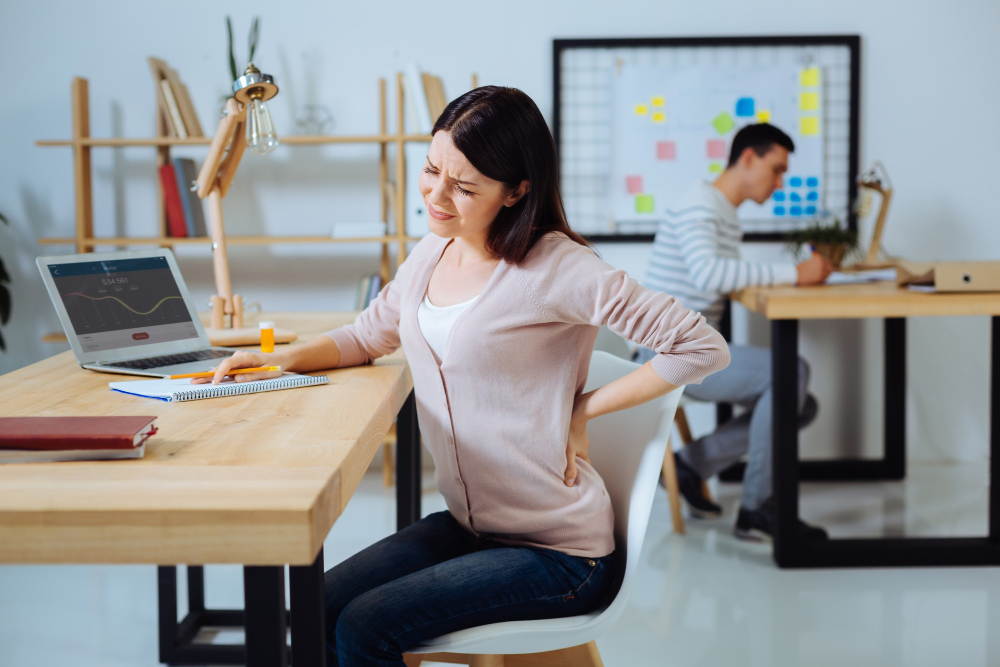
Scoliosis pain can show up in many ways. For example, you may feel aching in your back or neck. Sometimes, you might notice uneven shoulders or hips. In some cases, you may feel tired after standing or sitting for a while. Other signs include:
Because symptoms can vary, it is important to watch for changes in your body.
Causes and Risk Factors
Scoliosis can have different causes. In many cases, the cause is unknown. This is called idiopathic scoliosis. Sometimes, it runs in families. Other times, it can result from birth defects, injuries, or diseases like cerebral palsy. Risk factors include:
While you cannot control all risk factors, you can take steps to manage symptoms.
Importance of Posture Correction in Scoliosis Management
Good posture helps keep your spine in a healthy position. For people with scoliosis, posture correction for scoliosis can reduce pain and prevent further curve progression. In addition, it can help muscles work better and lower the risk of muscle fatigue. According to the CDC, posture habits play a key role in long-term spine health. Therefore, making small changes each day can support scoliosis pain relief.
Simple Daily Habits for Posture Correction
Even small daily habits for scoliosis management can help. Try these tips to improve your posture:
Because these habits are easy to follow, you can add them to your daily routine.
Lifestyle Tips for Pain Relief and Prevention
Besides posture correction, other lifestyle changes can help with scoliosis pain relief. For example, staying active keeps your muscles strong. In addition, eating a healthy diet supports bone health. Try these tips:
Because prevention is key, these habits can help you avoid more pain in the future.
When to Seek Professional Help
Sometimes, home care is not enough. If your pain gets worse or you notice new symptoms, see a doctor. For instance, if you have numbness, weakness, or trouble walking, get help right away. Also, if daily habits for scoliosis management do not improve your pain, a specialist can offer more options. Early treatment can prevent problems from getting worse.
Conclusion
In summary, posture correction for scoliosis and simple daily habits can help manage pain. While these steps support your health, every person is different. Get personalized treatment and support from Dr. Krishna’s Physiotherapy. We’ll help you find the ideal plan for your recovery.