What is Down Syndrome?
Down Syndrome is a genetic condition. It happens when a person has an extra copy of chromosome 21. This extra genetic material affects how the body and brain develop. People with Down Syndrome may have learning delays and low muscle tone. However, with the right support, they can lead happy and active lives.
Why is Physiotherapy Important for Down Syndrome?
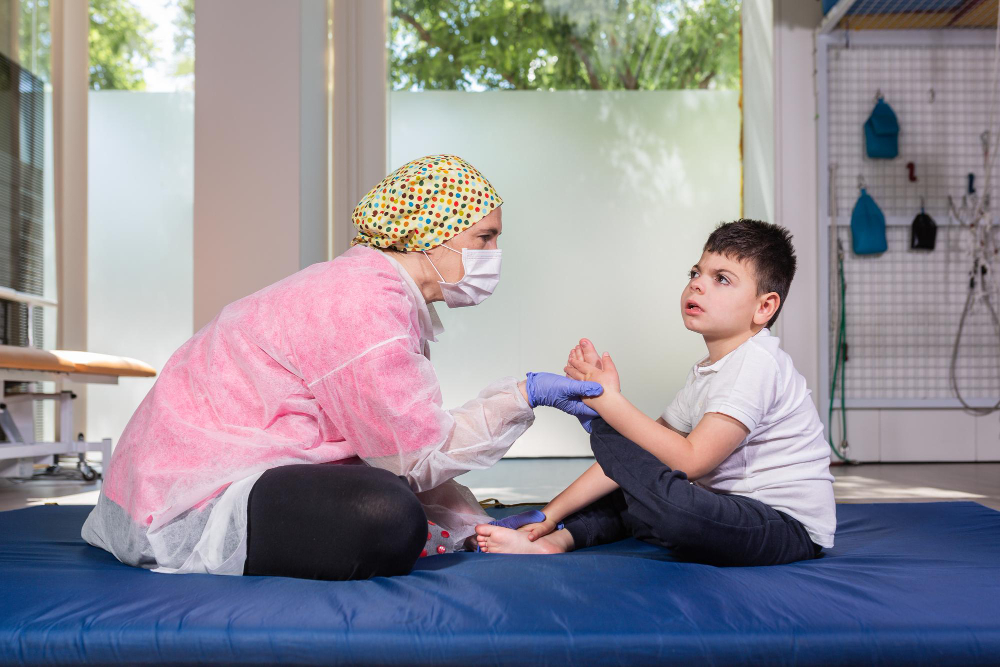
Physiotherapy for Down Syndrome is very important. Many children with Down Syndrome have weak muscles and loose joints. Because of this, they may find it hard to move or balance. Early intervention physiotherapy helps children reach their movement milestones. For example, it can help them learn to sit, crawl, or walk. In addition, regular therapy can prevent future problems with posture or movement.
Key Physiotherapy Techniques for Down Syndrome
There are many ways physiotherapists help children with Down Syndrome. Some common techniques include:
Moreover, therapists often use toys and games to make sessions enjoyable. They also teach families how to continue exercises at home.
Benefits of Physiotherapy for Individuals with Down Syndrome
Physiotherapy offers many benefits for people with Down Syndrome. Some of the main benefits include:
According to the CDC, early and regular therapy can make a big difference in a child’s development.
Tips for Families and Caregivers
Caring for a child with Down Syndrome can feel overwhelming. However, there are simple ways to help your child succeed. Consider these tips:
Additionally, remember that every child develops at their own pace. Patience and encouragement go a long way.
Prevention of Secondary Complications
Without proper care, children with Down Syndrome may face extra health problems. For example, they may develop joint pain, poor posture, or trouble walking. Physiotherapy helps prevent these issues. By keeping muscles strong and joints flexible, therapy lowers the risk of future complications. Furthermore, regular check-ups with a physiotherapist can catch problems early.
When to Consult a Physiotherapist
It is best to consult a physiotherapist soon after a Down Syndrome diagnosis. Early intervention physiotherapy gives the best results. However, you should also seek help if you notice:
Moreover, if you are searching for physiotherapy services near you, ask your doctor for recommendations. The World Health Organization suggests early and ongoing therapy for children with developmental delays.
Conclusion
In summary, physiotherapy for Down Syndrome supports better movement, health, and independence. Early and regular therapy can help children reach their full potential. Consult a qualified physiotherapist at Dr. Krishna’s Physiotherapy and Rehabilitation Center for personalized care and guidance for Down Syndrome.