
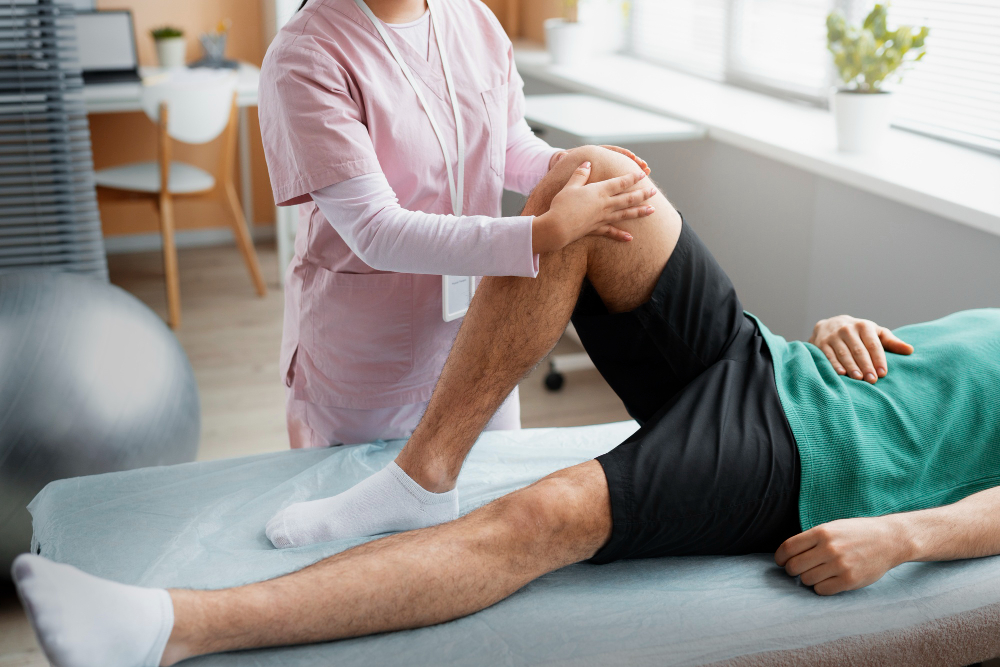
Knee ligament injuries are common, especially among active people. These injuries can cause pain, swelling, and trouble moving the knee. Physical therapy for knee ligament injuries plays a key role in recovery. It helps restore strength, movement, and function. Early therapy can also prevent long-term problems. In this blog, you will learn about symptoms, causes, diagnosis, and the best ways to recover from knee ligament injuries.
Symptoms of Knee Ligament Injuries
Knowing the signs of a knee ligament injury is important. Early detection can lead to better outcomes. Common symptoms include:
However, symptoms can vary based on which ligament is injured. For example, an ACL injury often causes sudden swelling and a feeling of instability.
Common Causes and Risk Factors
Knee ligament injuries often happen during sports or accidents. But, anyone can get hurt. Here are some common causes and risk factors:
In addition, women may have a higher risk of certain ligament injuries, like ACL tears, due to body structure and hormones (CDC).
Diagnosis and Assessment Methods
Getting the right diagnosis is vital for proper treatment. Doctors use several methods to assess knee ligament injuries:
Sometimes, doctors may use ultrasound for a quick look at soft tissues. Early diagnosis helps guide the best rehabilitation for ACL injury or other ligament problems.
Physical Therapy Approaches and Techniques
Physical therapy for knee ligament injuries is key to recovery. Therapists use many approaches to help you heal. Some common techniques include:
Moreover, physiotherapy for knee pain often includes personalized plans. Your therapist will adjust exercises as you improve. This helps you return to daily activities safely.
Home Exercises and Lifestyle Tips
Along with clinic visits, home exercises speed up knee ligament recovery. Always follow your therapist’s advice. Here are some safe exercises and tips:
Additionally, keep these lifestyle tips in mind:
Prevention Strategies
Preventing knee ligament injuries is possible with a few simple steps. Consider these strategies:
Furthermore, regular physical therapy check-ups can help spot problems early. This lowers your risk of future injuries.
When to Seek Professional Help
Sometimes, home care is not enough. You should see a doctor or physiotherapist if:
Early treatment leads to better outcomes. According to the CDC, prompt care can prevent long-term knee problems.
In summary, physical therapy for knee ligament injuries is vital for healing and preventing future issues. If you have knee pain or suspect a ligament injury, consult a licensed physiotherapist at Dr. Krishna’s Physiotherapy for personalized knee rehabilitation guidance.