
What is Autism?
Autism, also called Autism Spectrum Disorder (ASD), is a condition that affects how a person communicates and interacts with others. It can also impact how they move and learn new skills. While every child with autism is unique, many face challenges with social skills, speech, and movement. Early support can help children with autism reach their full potential.
How Can Physiotherapy Help Autism?
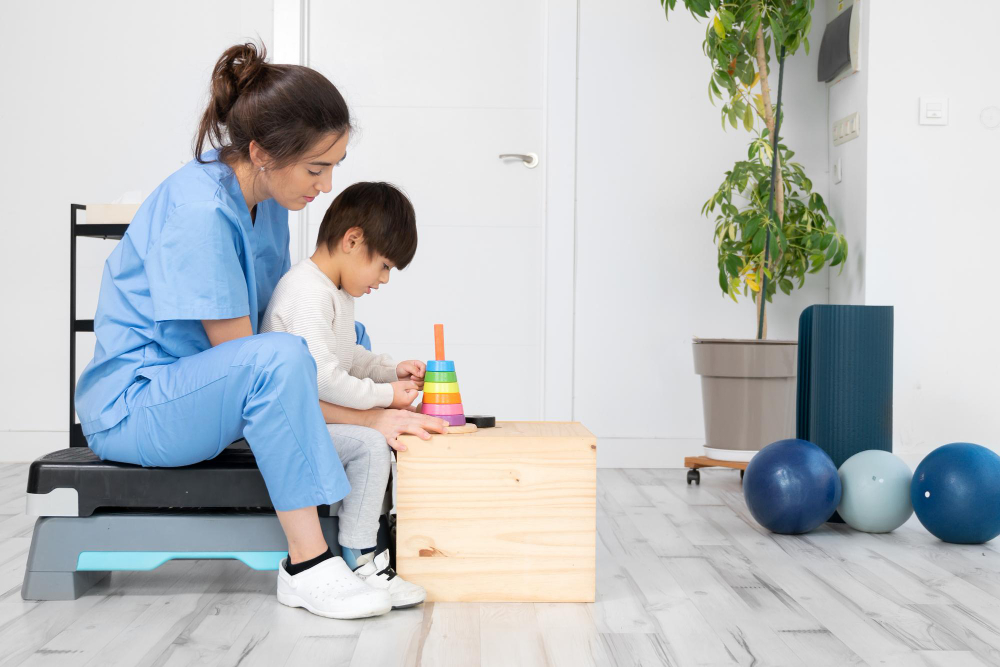
Physiotherapy for autism focuses on improving movement, balance, and strength. Many children with autism have trouble with coordination or muscle tone. Because of this, they may find it hard to run, jump, or play. Physiotherapists use special exercises and activities to help children move better. As a result, children can join in more activities at home, school, or in the community.
Common Physiotherapy Approaches for Autism
There are several ways physiotherapists support children with autism. For example, they may use:
In addition, therapists often work with other professionals, such as speech or occupational therapists, to give complete care.
Benefits of Physiotherapy for Children with Autism
Physiotherapy for autism offers many benefits. Some of the main advantages include:
Because of these benefits, many families see positive changes in their child’s daily life.
What to Expect During Physiotherapy Sessions
At the start, the physiotherapist will assess your child’s movement and needs. Then, they will create a plan with clear goals. Sessions often include:
Most sessions last 30 to 60 minutes. Parents may be invited to join or watch, so they can help at home.
Tips for Parents and Caregivers
Supporting your child’s therapy at home is important. Here are some helpful tips:
With teamwork, children can make steady progress.
Prevention and Early Intervention
Early intervention is key for children with autism. When therapy starts early, children often gain skills faster. According to the CDC, early support can improve movement, speech, and learning. Therefore, if you notice delays in your child’s movement or play, talk to a specialist soon. Early physiotherapy for autism can make a big difference.
When to Consult a Specialist
If your child has trouble with walking, balance, or movement, it may be time to see a physiotherapist. Also, if you notice delays in reaching milestones, such as sitting or crawling, seek help. In many cities, you can find clinics that offer physical therapy for autistic children. For local support, ask your doctor or search for rehabilitation for autism in your area.
In summary, physiotherapy for autism helps children move better and join in daily life. Consult a qualified physiotherapist at Dr. Krishna’s Physiotherapy and Rehabilitation Center for personalized guidance on autism care.